
Manufacturing / MIM
Metal Injection Molding (MIM)
Complex parts begin with a clear plan.
A MIM project starts well before the first part is molded. The drawing, material and expected quantities help determine whether the process is a good fit—and what the tooling and production plan need to account for. BFT works with you to review these details and develop a practical route from initial samples to repeat orders.
Is MIM the right fit?
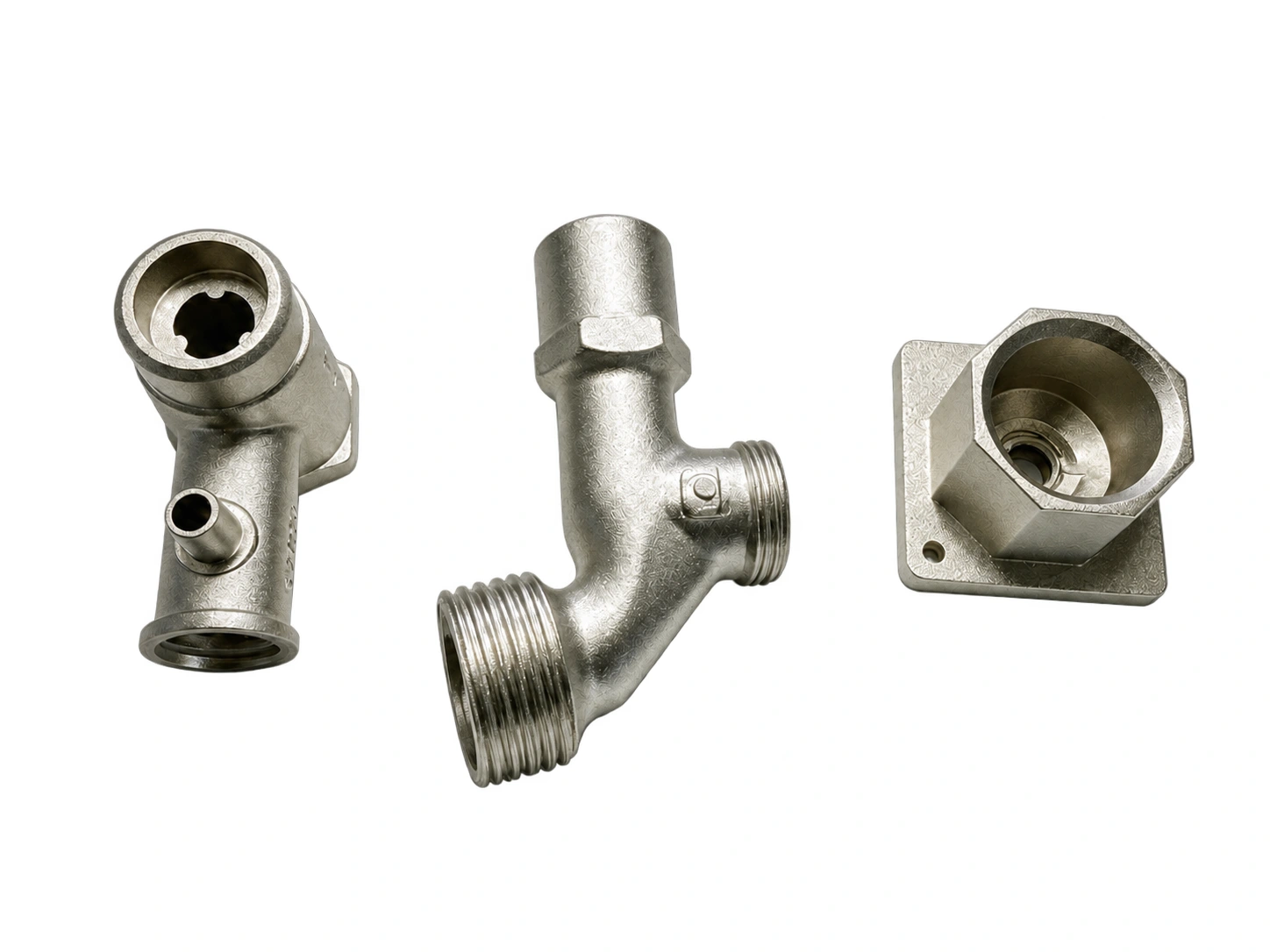
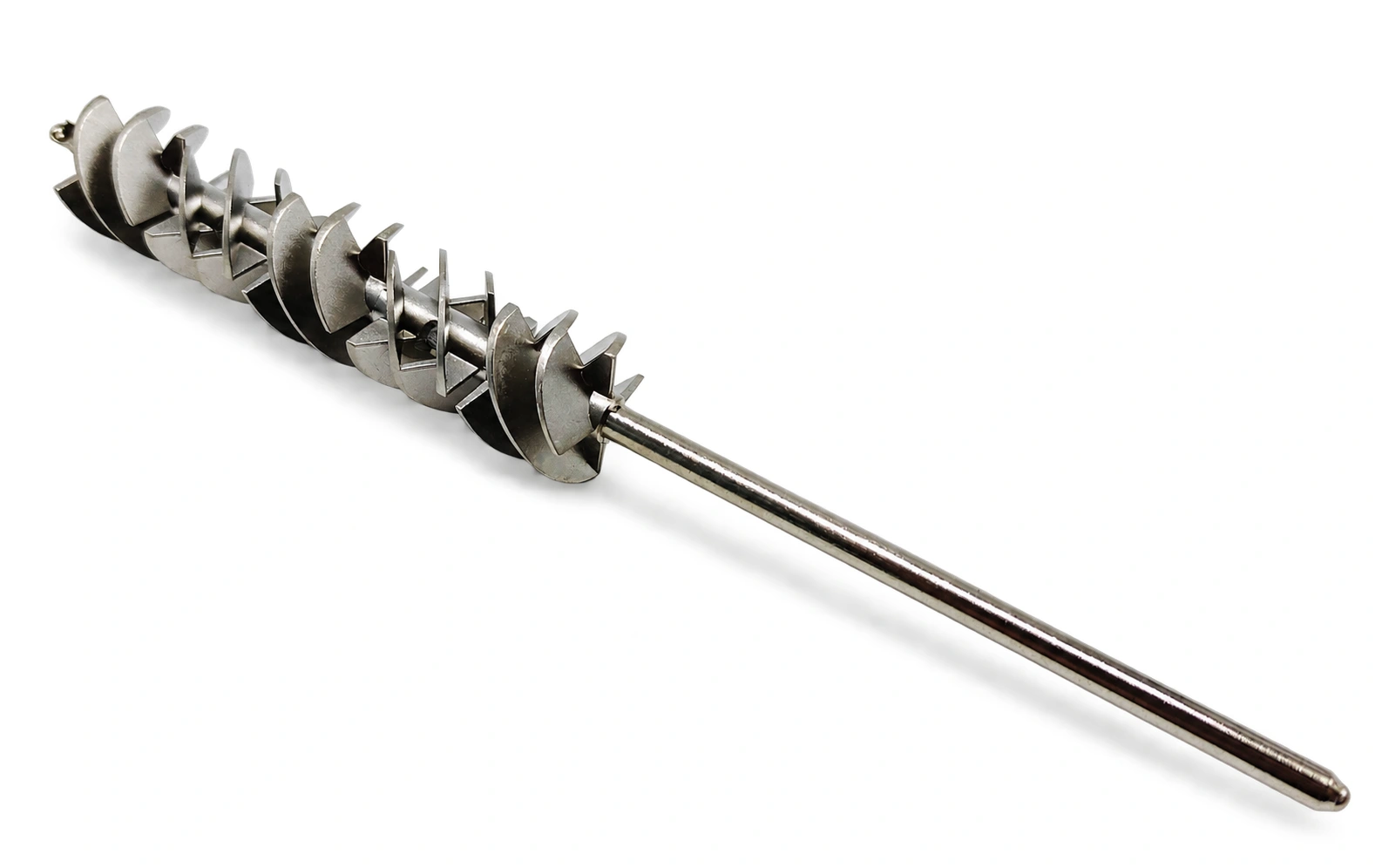
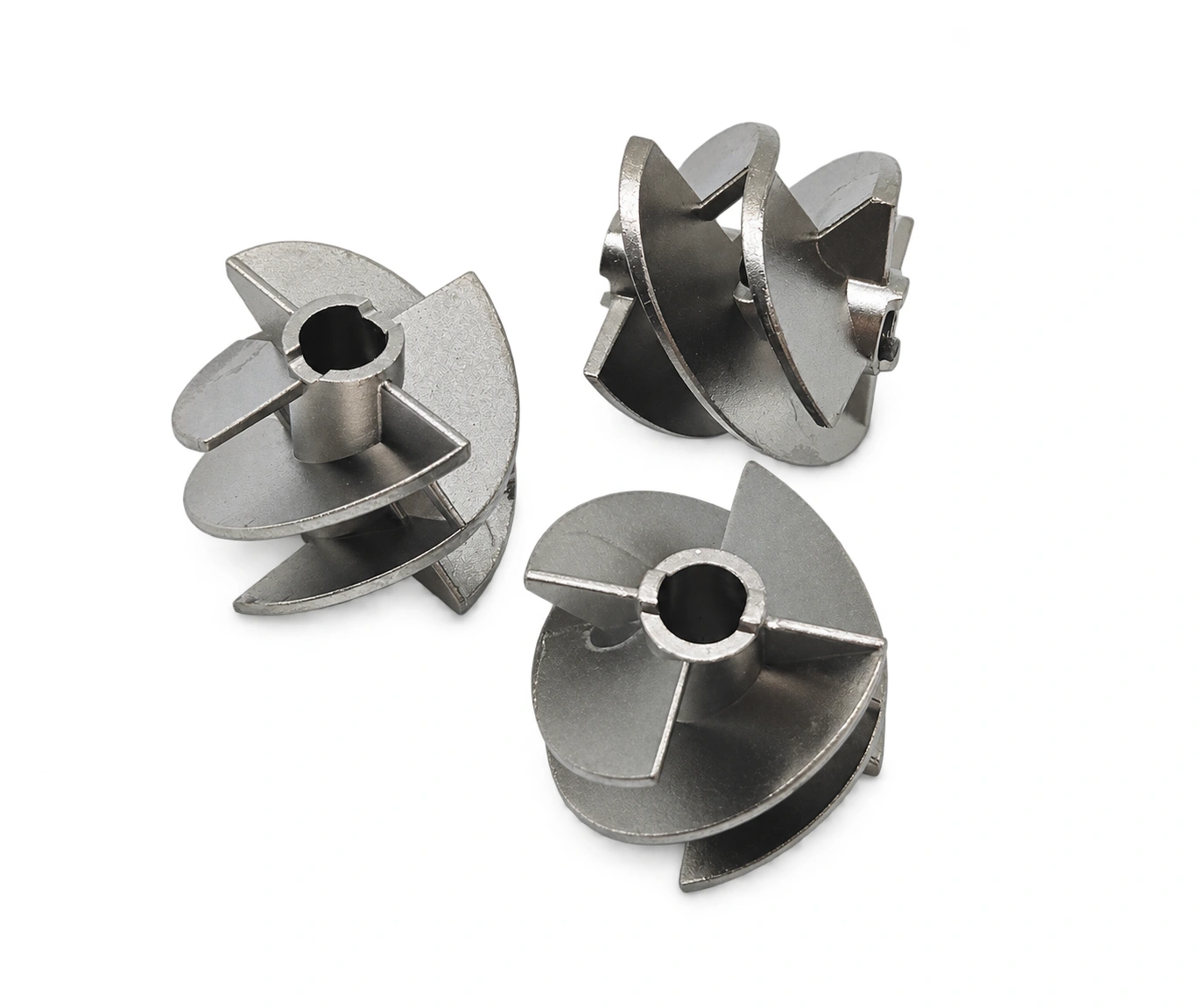
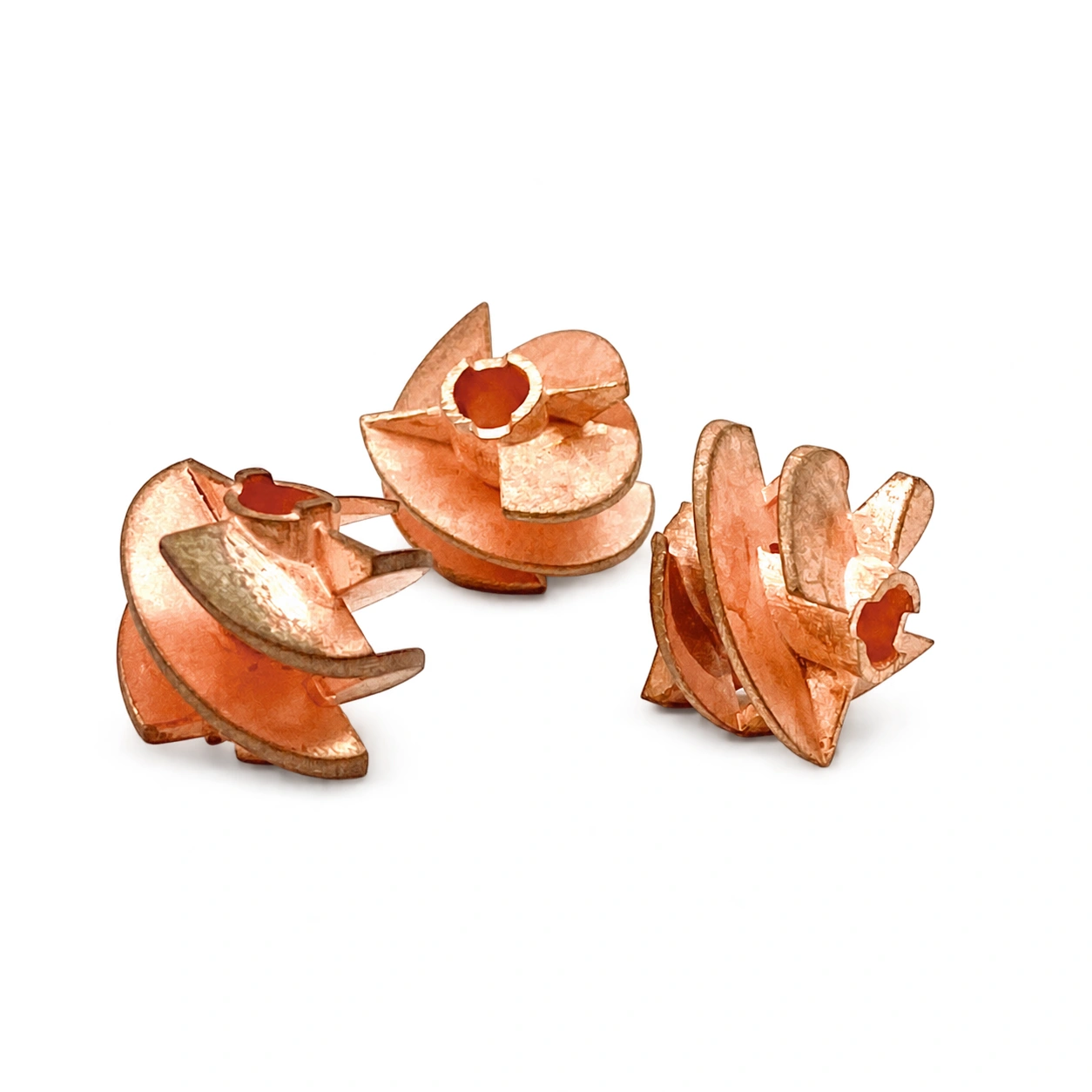
MIM is often considered for small metal components with intricate geometry, particularly when the same design will be produced in repeat quantities. Features that require several machining operations may be incorporated into the molded shape, although some surfaces and dimensions may still need secondary machining.
The decision also depends on tooling investment, material requirements and how the design may change. A part that looks suitable at first glance still needs a closer review of its tolerances, function and expected demand. These are the details we discuss before recommending a manufacturing approach.
From molding to sintering
The MIM process
 01
Injection Molding
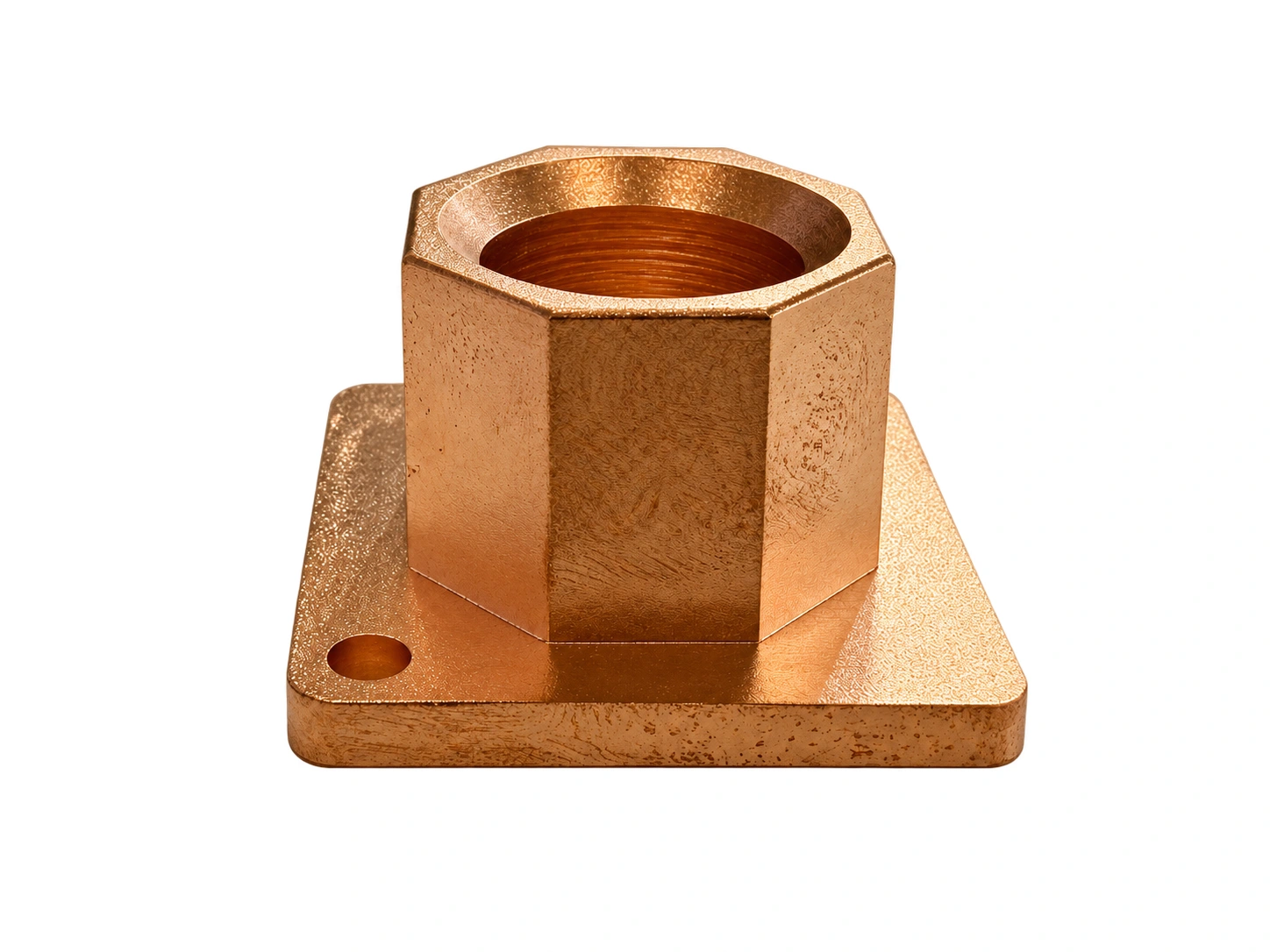
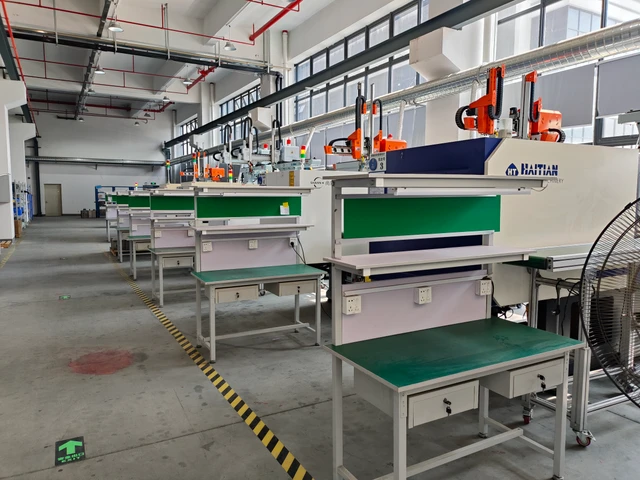
Metal powder and binder are combined in a feedstock that can be injected into a mold. This establishes the part’s initial geometry, with the tooling designed to account for the shrinkage that follows during sintering.
 02
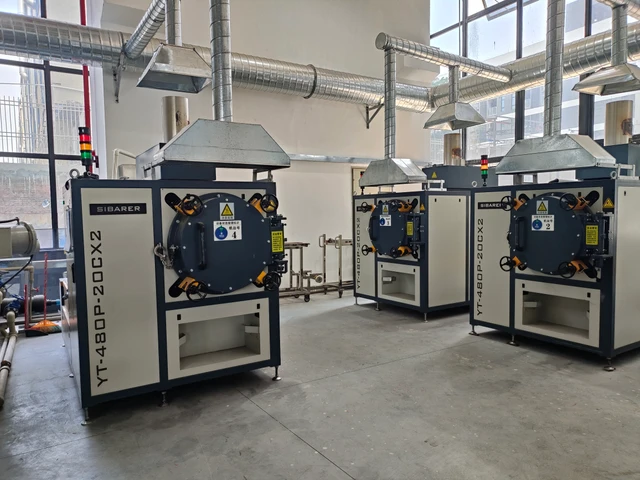
Debinding
After molding, much of the binder is removed while the part retains its shape. At this stage, careful handling and support matter as the components are prepared for the next step.
 03
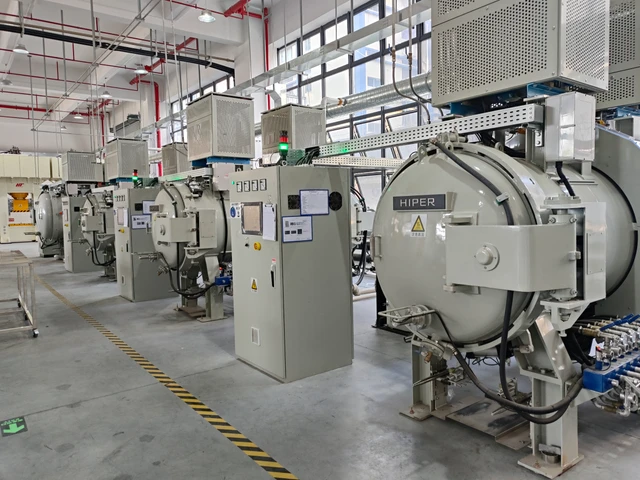
Sintering
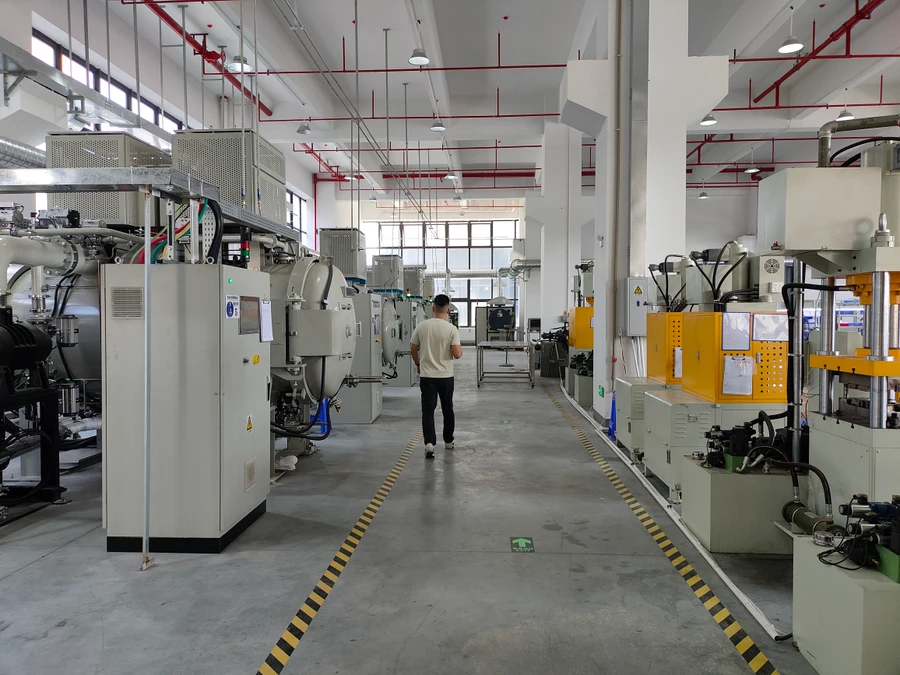
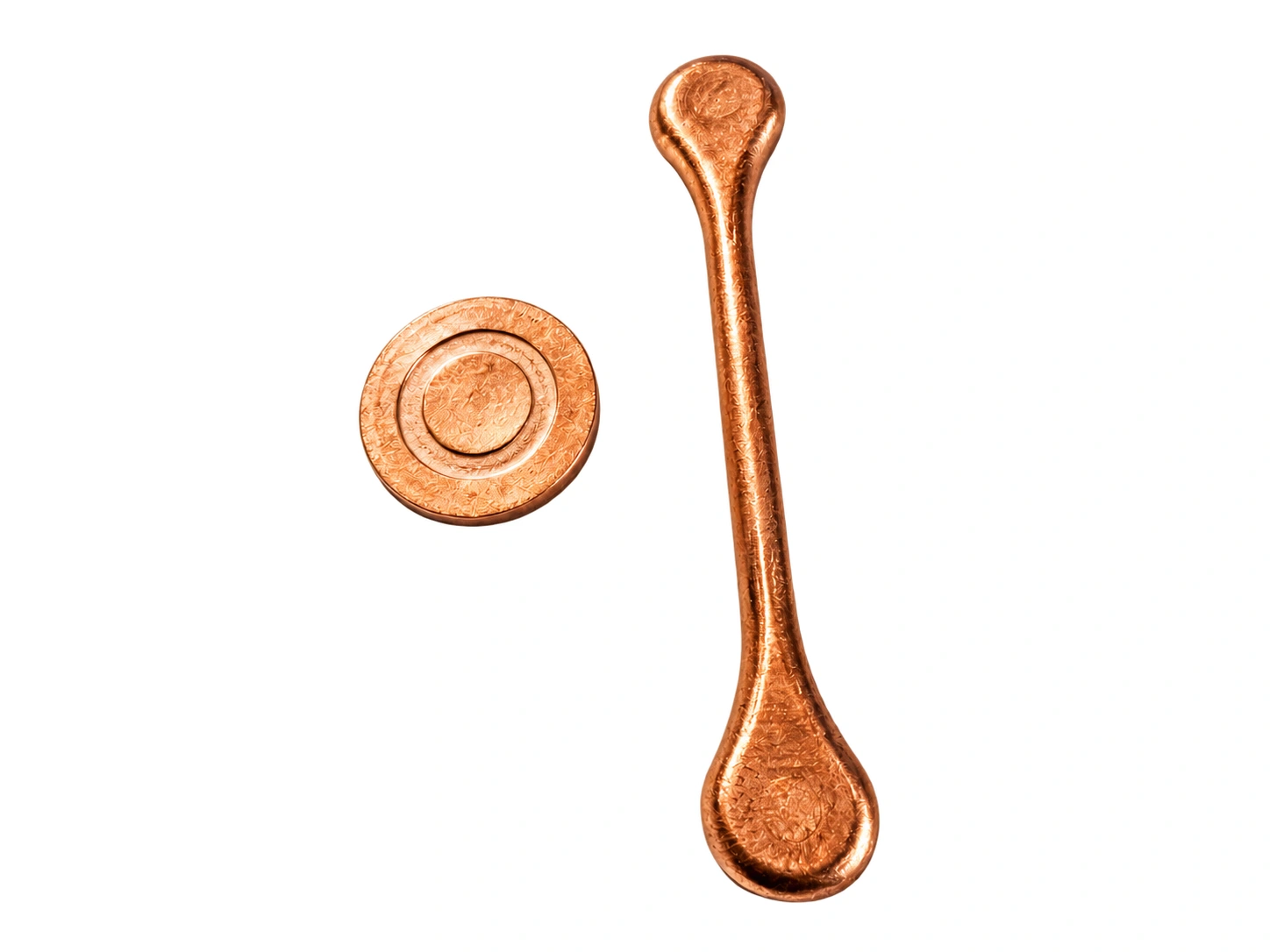
In the furnace, the metal particles bond and the part becomes denser, shrinking toward its intended dimensions. Depending on the drawing, further machining, sizing or finishing may follow before final inspection.
Planning around your requirements
What matters in use matters from the start.
Material & Performance
The material choice starts with what the part needs to do. Strength, corrosion resistance, wear and appearance may each influence the decision. Share the specified grade and any required properties so these can be considered alongside the manufacturing process.
Dimensions & Fit
A mating surface, a locating feature or a threaded connection can shape the production plan. Identifying these details early helps determine what can be achieved through molding and sintering, and where an additional operation may be needed.
Finish & Verification
Surface finish and inspection requirements belong in the initial discussion. Agreeing on cosmetic areas, measurement priorities and required documentation helps carry the drawing’s requirements through to the finished part.
Could This Part Be MIM?
Share your drawing, material requirements and expected production volume. We’ll assess whether MIM, CNC machining or both suit your part.
Discuss Your MIM Project