
Manufacturing services
Our Manufacturing Capabilities
Material, geometry, tolerances and quantity guide the manufacturing route. We review your drawing to identify the right process, including any secondary operations.
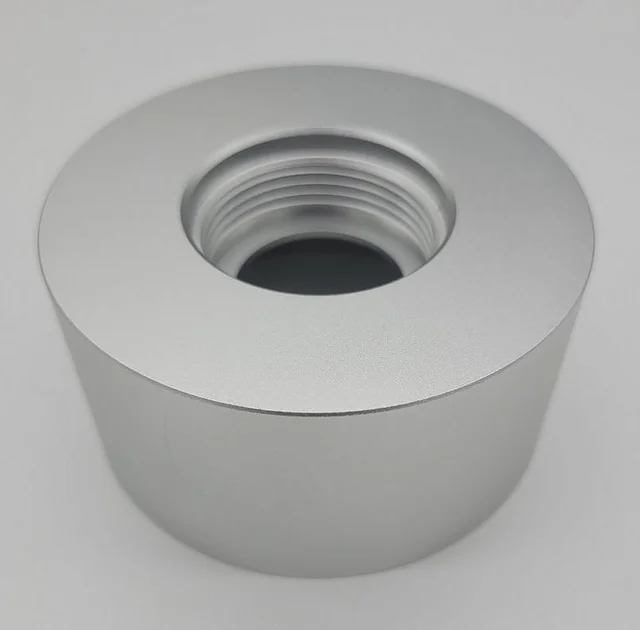
CNC Machining
For metal and engineering-plastic parts with milled or turned features, from new designs to repeat production.
- Typical parts
- Housings · Insulating parts · Precision turned components · Mounts · Fixtures
- Processes
- 3-, 4- and 5-axis milling · Turning · Swiss-type machining
- Material examples
- Aluminum · Stainless steel · Carbon steel · Alloy steel · Brass · Copper · Titanium · PEEK · POM · PTFE · UHMW-PE · Nylon
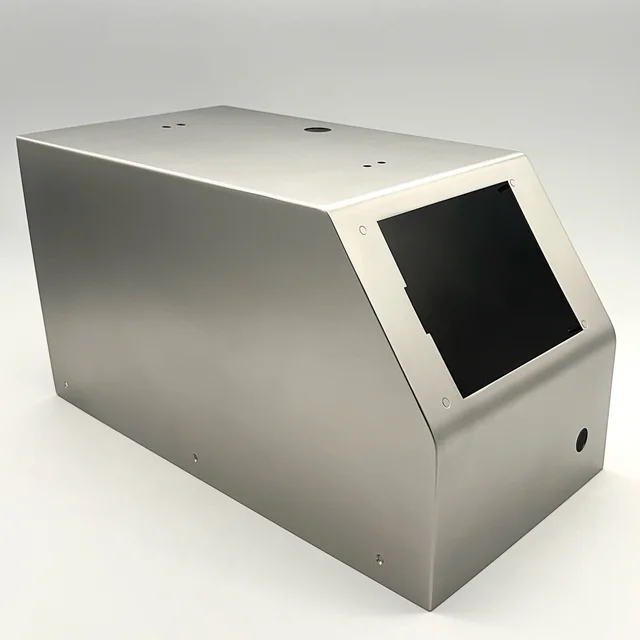
Sheet Metal Fabrication
For parts made from sheet stock. We plan forming, welding, hardware and finishing together so the finished assembly fits as intended.
- Typical parts
- Enclosures · Panels · Brackets · Frames · Welded assemblies
- Processes
- Laser cutting · Bending · Welding · Hardware insertion · Finishing
- Material examples
- Stainless steel · Aluminum · Carbon steel · Galvanized steel · Copper · Brass
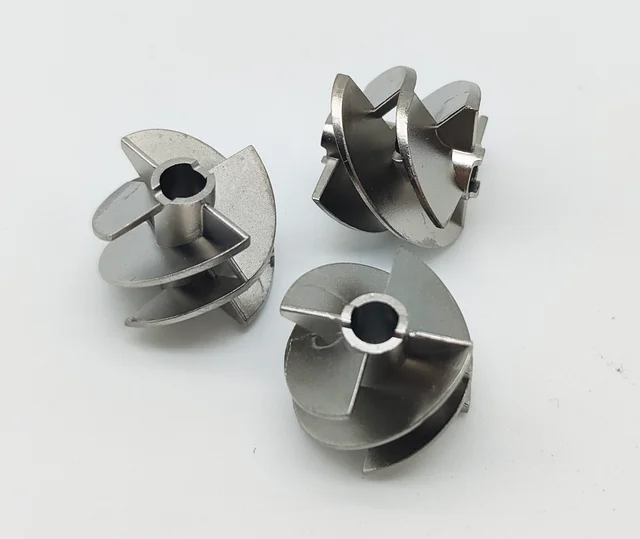
Metal Injection Molding
For small, complex metal parts in repeat production. Geometry, dimensional requirements and expected volume help determine whether tooling is justified.
- Typical parts
- Small mechanical components · Multi-feature metal parts · Near-net-shape parts
- Processes
- Molding · Debinding · Sintering · Secondary operations
- Material selection
- Material selection follows the drawing, mechanical requirements and operating conditions.
One part. Connected processes.
Not every part fits one process.
A MIM part may still need CNC finishing on critical surfaces. A fabricated assembly may include machined components and installed hardware. The useful question is which route makes sense for the drawing and expected production volume.
Start with the Drawing
Share the part’s function, material and quantity. For existing production parts, include your typical order quantity and estimated annual demand.
Send Your Design